
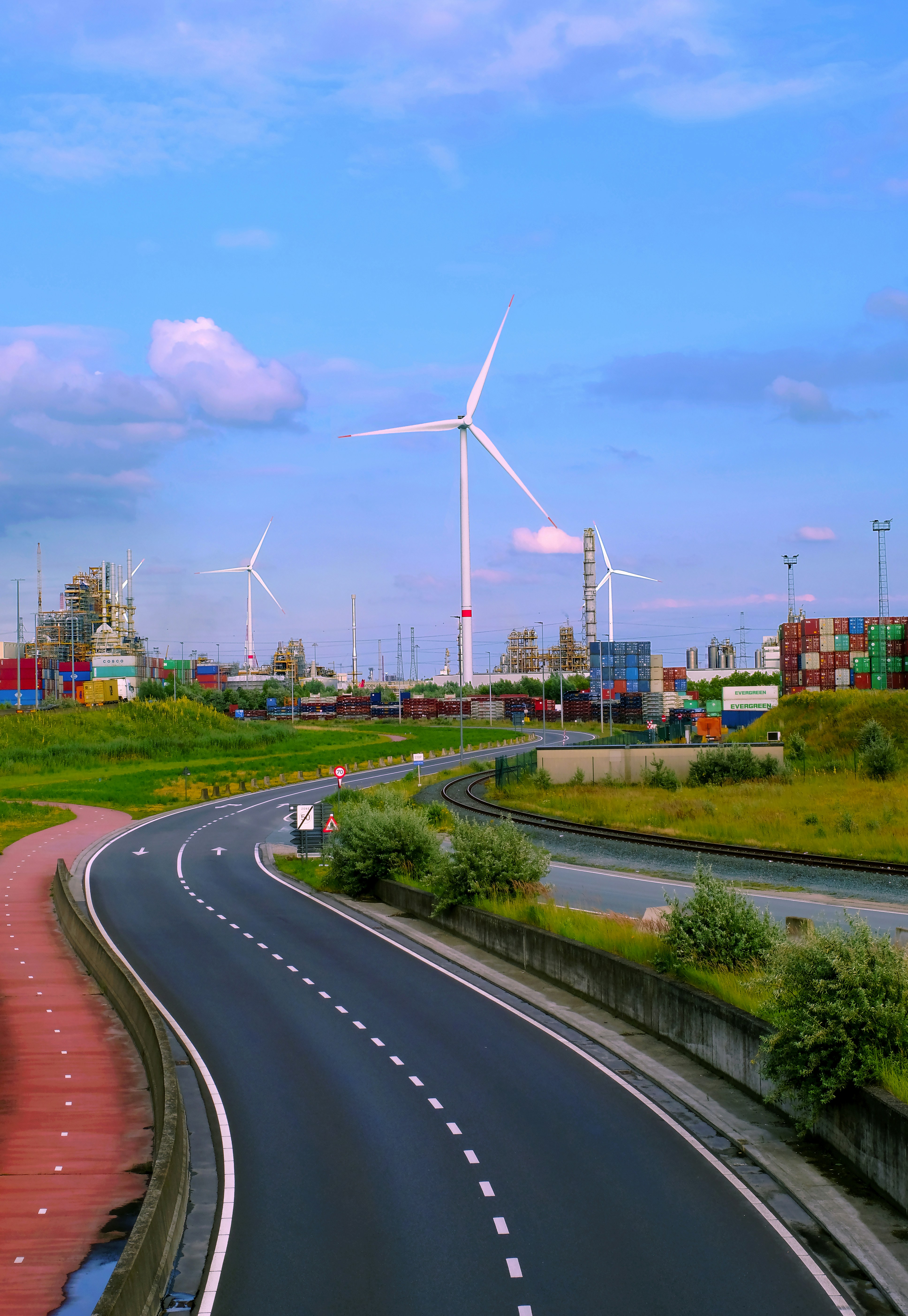
In the face of escalating climate challenges, the imperative to develop infrastructure that is both environmentally sustainable and resilient has never been more critical. The concept of Low Carbon Resilient Infrastructure (LCRI) emerges as a transformative approach to address these dual objectives. LCRI encompasses designing, building, and maintaining infrastructure systems that significantly reduce greenhouse gas emissions while simultaneously enhancing their capacity to withstand the increasing impacts of climate change. This comprehensive strategy is vital for fostering sustainable growth and safeguarding communities worldwide. In this extensive discussion, we delve into the multifaceted benefits of LCRI, exploring its pivotal role in shaping a resilient and eco-friendly future for the planet.
Mitigating Greenhouse Gas Emissions: A Path Toward Climate Change Combat
One of the core advantages of adopting LCRI is its robust capacity to cut down carbon footprints across various sectors. Conventional urban and infrastructure development predominantly depends on fossil fuels for energy supply, accounting for a large portion of global greenhouse gas emissions. Transitioning to LCRI involves a conscious shift toward renewable energy sources like solar, wind, and geothermal power, which produce minimal or zero carbon emissions.
This shift not only decreases the reliance on carbon-intensive energy but also promotes the integration of energy-efficient technologies. Smarter buildings equipped with advanced insulation, energy management systems, and automated controls ensure minimal energy wastage. Smart grids facilitate optimized electricity distribution, balancing supply and demand efficiently. When these strategies are implemented cohesively, they substantially curb the emission levels contributed by infrastructure systems, thereby playing a crucial role in global efforts to combat climate change.
Building Resilience Against Climate-Induced Disasters
Climate change manifests through more frequent and severe weather phenomena, including hurricanes, floods, droughts, and rising sea levels. Traditional infrastructure often falters under these extreme conditions, leading to costly repairs, service interruptions, and even loss of life. LCRI addresses these vulnerabilities by embedding resilience into the very fabric of infrastructure design and construction.
In coastal regions, for example, elevating structures, employing flood-resistant materials, and incorporating breakwaters and seawalls significantly mitigate flood risks. Urban areas are increasingly adopting green infrastructure solutions, such as permeable pavements, rain gardens, and green roofs, which help absorb and manage stormwater, reducing pressure on drainage systems.
Furthermore, climate-resilient infrastructure involves adaptive design principles that allow existing structures to be upgraded easily as new climate data emerges. Emphasizing flexibility and redundancy ensures communities remain functional despite adversities, thus safeguarding economic stability and public safety.
Economic Advantages of Transitioning to LCRI
Beyond environmental benefits, LCRI offers compelling economic incentives that drive sustainable development. Investment in renewable energy infrastructure, such as solar farms and wind turbines, decreases reliance on imported fossil fuels, leading to energy cost savings and increased national energy security.
Moreover, the deployment of green infrastructure stimulates job creation across multiple sectors, including clean energy technology, sustainable construction, and environmental consultancy. These employment opportunities span skilled engineering roles, manufacturing, installation, and maintenance, contributing positively to economic growth.
Long-term cost savings are another vital aspect. Energy-efficient buildings and resilient infrastructure tend to have lower operational and maintenance costs. Retrofitting existing systems with resilience features reduces the need for disruptive repairs following climate-related events, ensuring economic stability over the lifespan of the infrastructure.
Improving Public Health Through Sustainable Infrastructure
Public health benefits are intrinsically linked to the adoption of LCRI. Traditional systems reliant on fossil fuels emit pollutants like particulate matter, sulfur dioxide, and nitrogen oxides. These pollutants significantly impact air quality, contributing to respiratory illnesses, cardiovascular diseases, and other health issues.
Shifting towards clean energy sources through LCRI reduces pollutant emissions, leading to cleaner air and healthier living environments. Moreover, sustainable infrastructure encourages active transportation options, such as walking and cycling, which not only reduce carbon emissions but also promote physical health and community well-being.
Urban planning that integrates pedestrian pathways, bike lanes, and accessible public transit options enhances mobility and reduces dependence on private vehicles. As a result, communities benefit from improved air quality, lower health care costs, and increased overall quality of life.
Fostering Innovation and Future-Ready Infrastructure
Adopting LCRI fosters innovation in engineering, technology, and policymaking. Emerging materials and construction techniques continue to evolve, enabling more resilient and eco-friendly infrastructure development. Incorporating digital technologies, such as IoT sensors and AI-driven management systems, allows real-time monitoring and adaptive control of infrastructure networks.
This proactive approach enhances the capacity of infrastructure to respond dynamically to changing environmental conditions, ensuring long-term sustainability. Investing in research and development within the framework of LCRI creates a pipeline of innovative solutions that can be deployed globally, promoting scalability and widespread adoption.
Global and Local Policy Implications
The integration of LCRI principles requires a strong policy framework at both national and local levels. Governments play a vital role by establishing standards, incentives, and funding mechanisms that encourage sustainable infrastructure projects. International agreements and collaborations further set the stage for sharing knowledge, technology, and resources, fostering a global shift towards low-carbon resilience.
Local authorities can tailor LCRI strategies to address specific geographic and socio-economic contexts, ensuring inclusive and effective implementation. Community engagement and public awareness campaigns are essential to garner support and ensure that infrastructure projects align with the needs and preferences of the populations they serve.
Future Outlook and Challenges
While the benefits of LCRI are clear, several challenges must be addressed to realize its full potential. High upfront costs, technological complexities, and the need for skilled workforce are common barriers. Overcoming these requires coordinated efforts among governments, private sectors, and academia.
Funding mechanisms such as green bonds, climate finance, and public-private partnerships can facilitate investments. Education and capacity building are crucial to develop the expertise required for implementing advanced resilient and low-carbon infrastructure. Policy stability and long-term planning are equally vital to foster confidence among stakeholders and ensure sustainable growth.
Conclusion: Embracing a Sustainable Path Forward
The transition to Low Carbon Resilient Infrastructure represents a comprehensive approach to building a sustainable future. By effectively reducing carbon emissions, fortifying communities against climate change impacts, and fostering economic growth, LCRI stands as a cornerstone in combating the climate crisis. Public health improves as pollution levels decline, and communities become more adaptable and resilient. As we look ahead, collaborative efforts and innovative thinking will be essential to overcome challenges and accelerate the adoption of LCRI worldwide. Investing in low-carbon, resilient infrastructure is an investment in a healthier, more sustainable, and economically vibrant future for generations to come.